

At CARE St Helena Bay, our hearts beat for the voiceless, the forgotten, and the ones who can’t speak for themselves. We’re driven by an unwavering passion to protect, to heal, and to love the animals who need us most. Every suffering soul, every scared face, and every lonely heart inspires us to keep going, to keep fighting, and to keep caring. We won’t rest until every animal in need has a warm bed to sleep in, a full belly to feed from, and a gentle touch to soothe their soul. We believe in a world where every animal is cherished, every owner is supported, and every life is valued. Join us on this journey of love, compassion, and hope – together, let’s make a difference, one paw at a time.
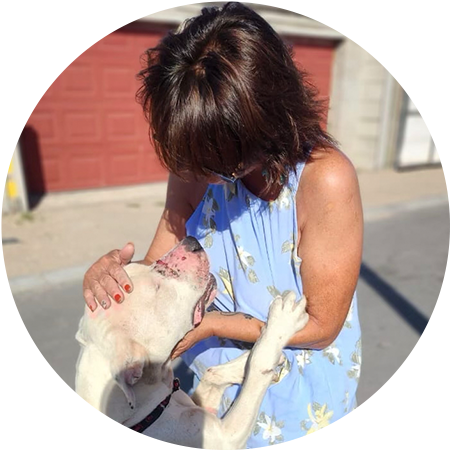
Champions of Compassion for Animals and Their Owners
Our Heartfelt Mission
CARE St Helena Bay is a registered Non-Profit Organization (NPO 2023/916898/08) and Public Benefit Organisation (PBO 930081512), we’re dedicated to making a life-changing impact in the lives of animals and their owners in lower-income communities.
At CARE St Helena Bay, we believe that every animal deserves a voice, and every owner deserves a helping hand. We work tirelessly to make a difference, one paw at a time, and we won’t give up until every animal in need has access to the care and compassion they deserve.
Community Partners

What We Do
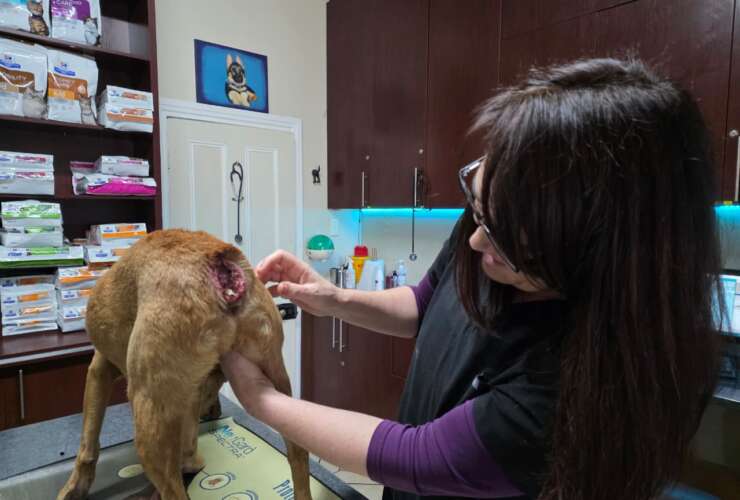
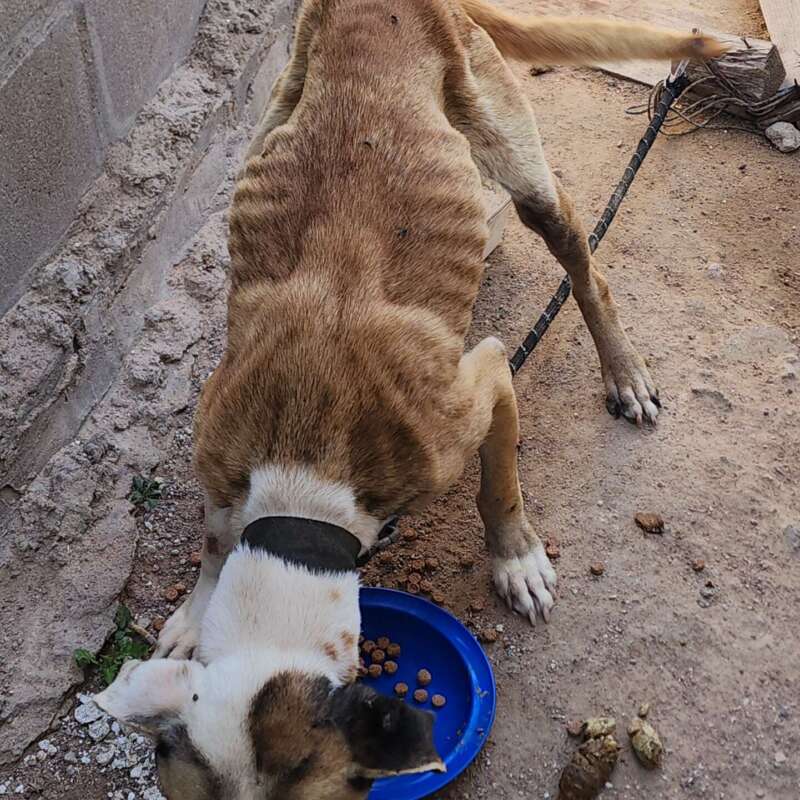
We Offer the following services to lower income communities




Want to volunteer?
We are always looking to add new volunteers to our organization.
Specialists
Our Veterinarians

Dr. Mary Gill
Dr. Gill graduated ECFVG at Oklahoma State University College of Veterinary medicine Sciences.

Dr. Katie Stevens
Dr. Stevens started working at the clinic in the summer of 2005. It was always her dream job as a kid.
Dr. Luke Carr
Dr. Carr graduated from the Veterinary Assistant course while working and have been here at DVC ever since.
F.A.Q.
The frequency of feeding your pet depends on their age, size, and activity level. Puppies and kittens need 3–4 meals daily, while adult dogs and cats typically do well with 2 meals. Senior pets may need smaller, more frequent meals, and those with health issues should follow a vet’s recommendations.
Deworming is essential for keeping your new pet healthy. Puppies and kittens should be dewormed every 2 weeks until 12 weeks old, then every 3 months. Adult pets generally need deworming every 3 to 6 months, depending on their lifestyle and exposure to parasites.
Regular vet visits are crucial for your pet’s health, with annual checkups recommended for all pets, and senior pets benefiting from more frequent visits. If you notice behavioral changes, signs of pain, or digestive issues, it’s important to seek veterinary care. Immediate attention is also needed for emergencies, such as severe injuries or difficulty breathing.
Heartworm prevention is crucial to protect your pet from a potentially fatal disease transmitted by mosquitoes. It’s recommended to start prevention early, around 6-8 weeks for puppies, and continue with monthly or yearly treatments. Consult your vet for the best heartworm prevention plan, even for indoor pets.
Latest News

7 Summer Settings Dog Owners Should Avoid
Summer is a time for fun and outdoor adventures, but as much as we love spending time with our dogs during this season, there are certain settings and situations that can be dangerous or uncomfortable for our furry friends. Heat, humidity, and crowded spaces can pose serious risks to dogs. Here’s a list of seven summer settings that dog owners…
Heartworm: One Bite, One Infection, That’s Enough
As a responsible pet owner, ensuring your dog stays healthy and protected from harmful diseases is crucial. One such disease that can be easily overlooked is heartworm, a serious and potentially life-threatening condition caused by parasitic worms. The scariest part? Just one mosquito bite can be enough to infect your dog, setting off a chain of events that could lead…