
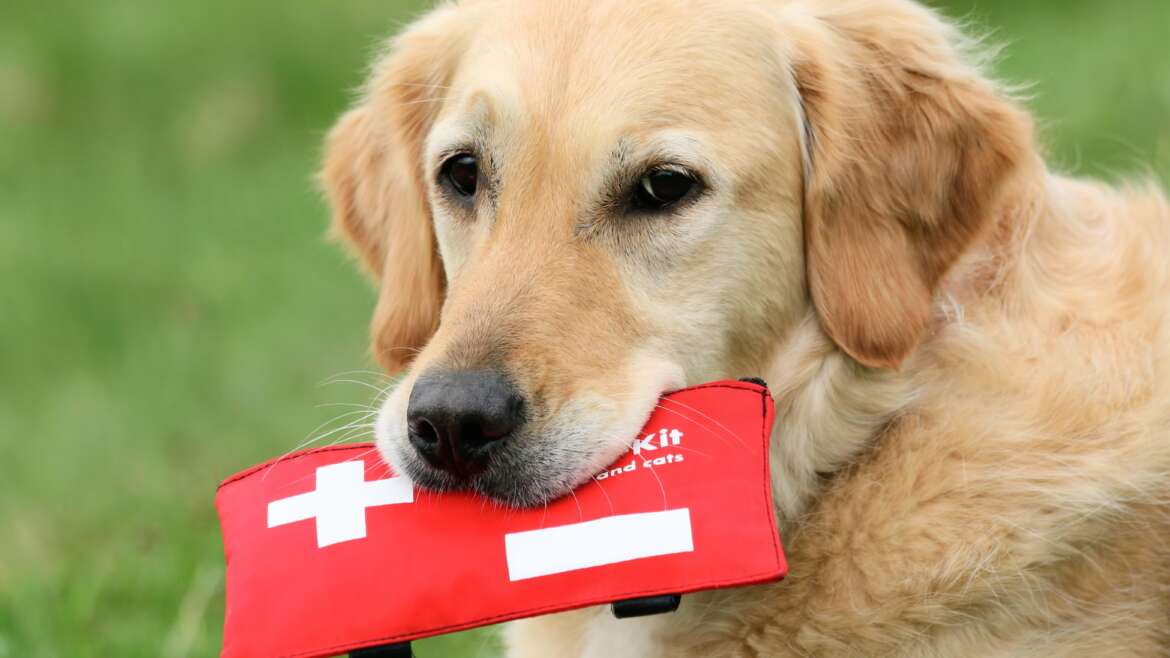
Accidents and injuries can happen to our pets at any time, whether at home, on a walk, or during play. Knowing how to react in an emergency situation can make all the difference in your pet’s health and safety. As a responsible pet owner, having a basic understanding of pet first aid can help you respond quickly and effectively to any crisis. Here are some essential first aid tips every pet owner should know.
1. Stay Calm and Assess the Situation
The first step in any emergency situation is to stay calm. Your pet can sense your anxiety, which may make them more stressed. Take a deep breath, assess the situation, and quickly determine the severity of the injury. If your pet is in pain or frightened, they may try to bite or scratch you, so approach with caution.
2. Stop Bleeding
If your pet is bleeding, your priority should be to stop the bleeding as quickly as possible. Apply pressure to the wound with a clean cloth, gauze, or bandage. Hold it in place for several minutes until the bleeding slows down or stops. If the bleeding is severe and doesn’t stop, apply a tourniquet (if necessary) and seek immediate veterinary care.
Tip: Avoid using materials like cotton balls or tissues, as they can stick to the wound.
3. Perform CPR (Cardiopulmonary Resuscitation)
If your pet is unresponsive, not breathing, or showing no signs of circulation, CPR may be necessary to save their life. For dogs, follow these steps:
- Place your pet on their right side.
- Place one hand over their chest, right behind the front legs.
- Give chest compressions: Press down firmly but gently at a rate of about 100-120 compressions per minute.
- Mouth-to-nose resuscitation: For smaller dogs or cats, close their mouth and blow gently into their nose. For larger dogs, open the mouth slightly and give breaths directly into their nose.
For cats, you can perform chest compressions and mouth-to-nose resuscitation with a similar technique, but use more gentle pressure.
Tip: If you’re unsure about performing CPR, seek emergency veterinary assistance immediately.
4. Treat Burns or Heatstroke
If your pet has been burned, quickly remove them from the source of heat and cool the burn with lukewarm (not cold) water. Apply a clean cloth to the affected area and hold it gently to soothe the burn. Do not apply ointments, ice, or butter to the burn.
If you suspect your pet is suffering from heatstroke (signs include heavy panting, drooling, lethargy, and vomiting), move them to a cool area immediately. Offer small amounts of water and allow your pet to cool down gradually with wet towels or a fan. Seek veterinary care urgently.
Tip: Never leave your pet in a parked car, especially during the summer months. Cars can heat up quickly and cause heatstroke.
5. Handle Choking
If your pet is choking, check their mouth and throat to see if you can dislodge the object. If you can see the object, carefully remove it with your fingers. Do not try to use tools like tweezers, as you may push the object further down.
If your pet is unable to cough or breathe, you may need to perform a “heimlich” maneuver:
- For dogs: Place your hands around the dog’s rib cage and give a firm, quick compression. This should force the object out.
- For cats: Gently hold the cat upside down by their hind legs and tap or gently press their chest to help dislodge the object.
If the object doesn’t come out, seek immediate veterinary assistance.
6. Treat Insect Stings and Bites
Insect stings and bites can cause discomfort or more severe reactions in pets. If your pet is stung by a bee or wasp, remove the stinger by scraping it off with a flat object (don’t pinch it out). Clean the area with mild soap and water, then apply a cold compress to reduce swelling.
Watch for signs of an allergic reaction, such as swelling around the face, neck, or throat, or difficulty breathing. If this occurs, seek emergency veterinary care immediately.
7. Handle Broken Bones and Sprains
If you suspect your pet has a broken bone or sprain, avoid moving them unless absolutely necessary. Try to stabilize the limb by gently splinting it with a clean cloth or stick. Keep your pet as still as possible while transporting them to the vet.
Tip: If you can’t splint the injury, simply keep the pet comfortable, calm, and minimize movement until you get professional help.
8. Know Poisoning Signs
Pets may accidentally ingest harmful substances, such as household cleaners, chocolate, medications, or toxic plants. If you suspect your pet has ingested something poisonous, immediately contact your vet or an emergency pet poison hotline.
Common signs of poisoning include vomiting, diarrhea, drooling, seizures, lethargy, and abnormal behavior.
Tip: Keep a list of common pet poisons handy, and always store harmful substances out of reach of your pets.
9. Keep Your First Aid Kit Stocked
A well-stocked first aid kit can make a world of difference in an emergency. Keep a kit in an easily accessible location and ensure it’s always fully stocked. Here are some essential items to include:
- Gauze pads and bandages
- Tweezers (for splinters or ticks)
- Antiseptic wipes
- Hydrogen peroxide (to induce vomiting if directed by a vet)
- Thermometer
- Digital contact info for your vet and emergency clinic
Final Thoughts
Having a basic understanding of pet first aid can help you act quickly and confidently in an emergency situation, potentially saving your pet’s life. While these tips are meant for minor emergencies, always consult with your veterinarian or an emergency pet clinic for professional advice when in doubt. Taking the time to prepare and stay informed can ensure that your pet’s health and safety are protected when it matters most.
