
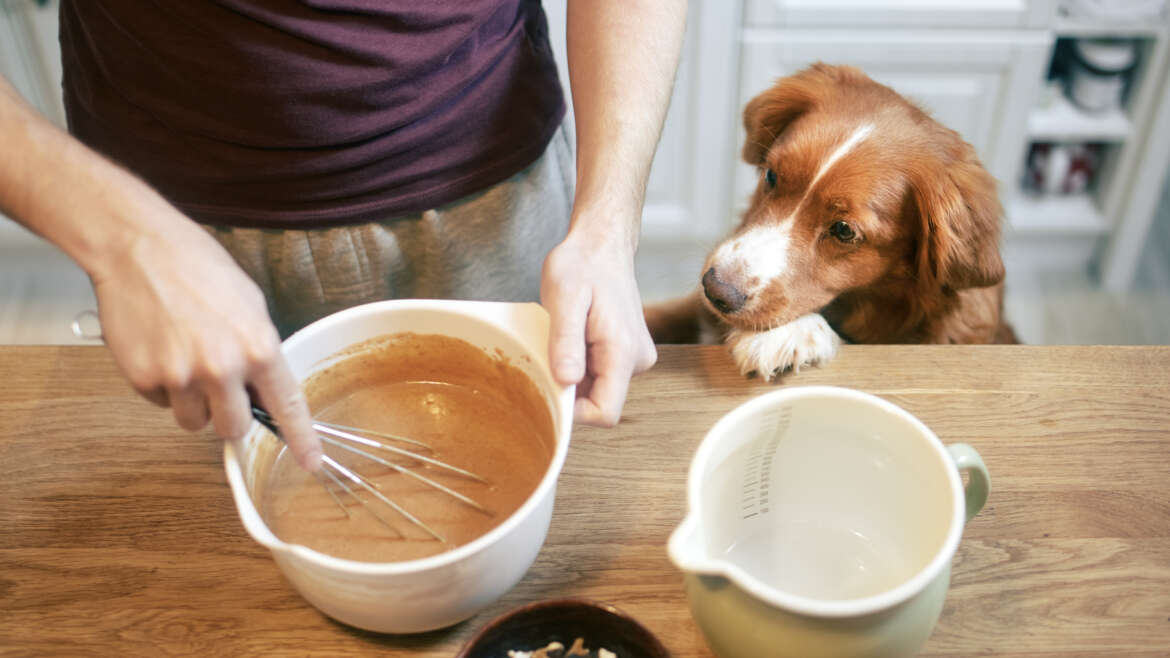
As pet owners, we always want the best for our furry friends, and that includes their diet. While commercial dog food is convenient, homemade meals allow you to control exactly what goes into your dog’s bowl. Making dog food at home ensures fresh, nutritious meals free from preservatives and fillers.
Before you begin, it’s important to note that dogs have unique nutritional needs, so it’s a good idea to consult your vet before switching to homemade food or introducing new ingredients.
Here are some simple, balanced homemade dog food recipes to get you started!
1. Chicken and Rice Recipe
Ingredients:
- 1 lb (450g) chicken breast (boneless, skinless)
- 1 cup cooked rice (white or brown)
- 1/2 cup carrots (chopped)
- 1/2 cup peas (frozen or fresh)
Instructions:
- Cook the chicken breast thoroughly by boiling or baking it. Once cooked, chop or shred the chicken into small pieces.
- Cook the rice as per package instructions.
- Steam or boil the carrots and peas until soft.
- Combine the chicken, rice, carrots, and peas in a large mixing bowl.
- Let it cool before serving a portion to your dog based on their size.
This recipe is great for dogs with sensitive stomachs, as chicken and rice are easy to digest.
2. Beef and Sweet Potato Recipe
Ingredients:
- 1 lb (450g) ground beef (lean)
- 1 large sweet potato (peeled and diced)
- 1/2 cup spinach (chopped)
- 1 tablespoon olive oil
Instructions:
- Brown the ground beef in a pan, breaking it into small crumbles.
- Boil or steam the sweet potato until tender.
- Sauté the spinach lightly in olive oil until it’s wilted.
- Mix all ingredients together in a bowl and let it cool.
- Serve appropriate portions for your dog.
This dish is rich in vitamins and minerals, and sweet potatoes are a great source of fiber and antioxidants.
3. Turkey and Veggie Stew
Ingredients:
- 1 lb (450g) ground turkey
- 1/2 cup carrots (chopped)
- 1/2 cup zucchini (chopped)
- 1/2 cup peas
- 4 cups low-sodium chicken broth (or homemade broth)
- 1/2 cup quinoa (cooked)
Instructions:
- Cook the ground turkey in a large pot, breaking it into small pieces.
- Add the carrots, zucchini, and peas to the pot with the turkey, then pour in the chicken broth.
- Bring the mixture to a boil, then simmer for 20–30 minutes until the vegetables are tender.
- Stir in the cooked quinoa and let it cool.
- Portion the stew for your dog according to their size.
This recipe is packed with lean protein, healthy fats, and a variety of veggies to keep your dog’s immune system strong.
4. Salmon and Pumpkin Recipe
Ingredients:
- 1 lb (450g) fresh or canned salmon (make sure it’s boneless)
- 1/2 cup canned pumpkin (unsweetened)
- 1/2 cup spinach (chopped)
- 1/2 cup quinoa (cooked)
Instructions:
- If using fresh salmon, cook it by baking or grilling without any seasoning.
- Combine the cooked salmon, canned pumpkin, spinach, and cooked quinoa in a large bowl.
- Mix thoroughly and let it cool before serving.
Salmon is an excellent source of omega-3 fatty acids, which are great for your dog’s coat and skin, while pumpkin aids digestion and is rich in fiber.
5. Lamb and Carrot Recipe
Ingredients:
- 1 lb (450g) ground lamb
- 1/2 cup carrots (chopped)
- 1/2 cup peas
- 1/2 cup sweet potatoes (peeled and diced)
- 1 tablespoon coconut oil
Instructions:
- Cook the ground lamb thoroughly, breaking it into small pieces.
- Steam or boil the carrots, peas, and sweet potatoes until tender.
- Combine the lamb, vegetables, and coconut oil in a bowl and mix well.
- Let the food cool to room temperature before serving.
Lamb is a good alternative protein source and is often easier for dogs with food sensitivities. The added coconut oil provides a healthy fat boost for a shiny coat.
Tips for Homemade Dog Food:
- Portion Size: The right portion depends on your dog’s breed, size, and activity level. As a general rule, feed about 2% of your dog’s body weight per day in homemade food. For example, a 20 lb (9 kg) dog would need roughly 0.4 lbs (180g) of food per day.
- Storage: Homemade dog food can be stored in the fridge for up to 3–4 days, or you can freeze portions for later use.
- Supplements: While these recipes are nutritious, you may need to add supplements to ensure your dog is getting all the essential nutrients. Consult with your vet for recommendations.
Final Thoughts
Homemade dog food can be a wonderful way to provide your dog with healthy, fresh meals tailored to their specific needs. Always remember to consult your vet to ensure that the recipes you prepare meet your dog’s nutritional requirements.
Does your dog love homemade food? Share your favorite recipes or tips with us in the comments below!